Zaha Hadid Wins Japan National Stadium Competition

Zaha Hadid Wins Japan National Stadium Competition

ادامه نوشته

Xeritown by X–Architects

Xeritown by X–Architects

 
xeritown-by-xarchitects-a.jpg
 
 
xeritown-by-xarchitects-f.jpg
 

xeritown-by-xarchitects-b.jpg

ادامه نوشته

One central park

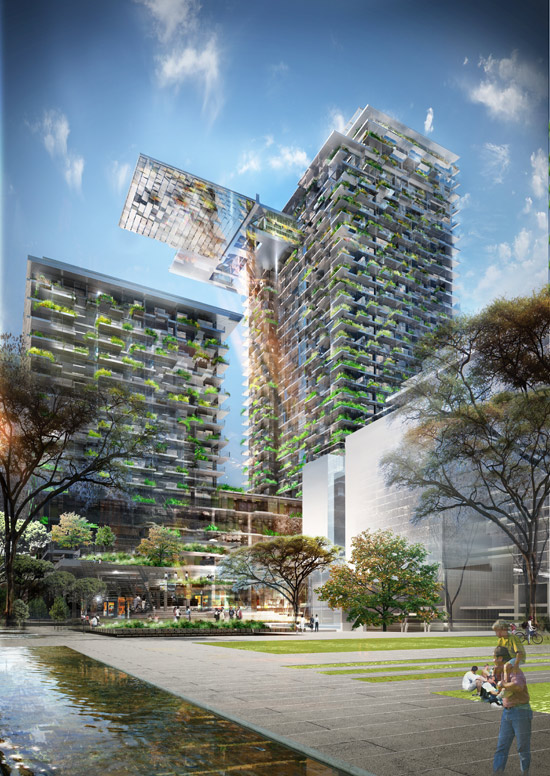
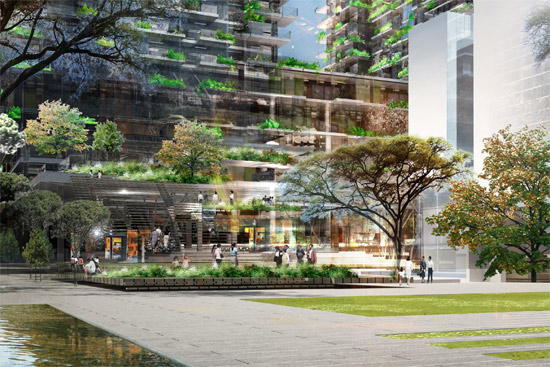
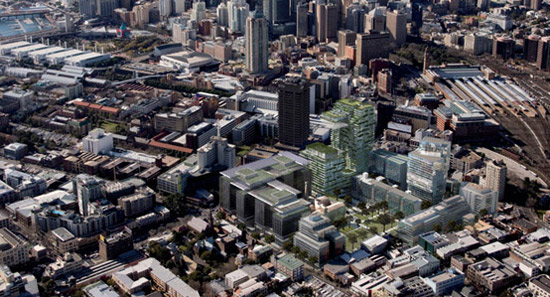
One central park


ادامه نوشته

X2 Resort Kui Buri by Duangrit Bunnag Architects

X2 Resort Kui Buri by Duangrit Bunnag Architects
 

 x2_290910_105 x2_290910_24x2_290910_28 x2_290910_41x2_290910_53 x2_290910_78x2_290910_81 x2_290910_86

ادامه نوشته

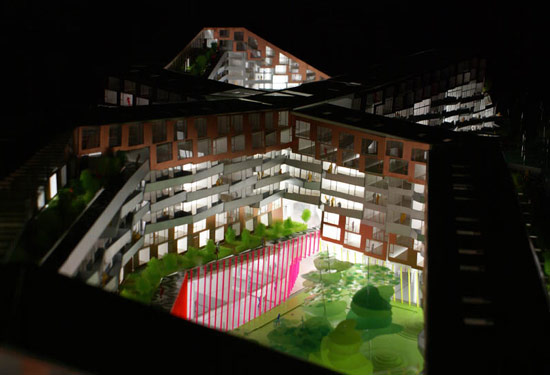
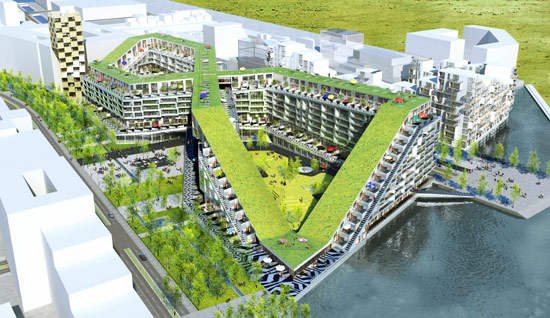
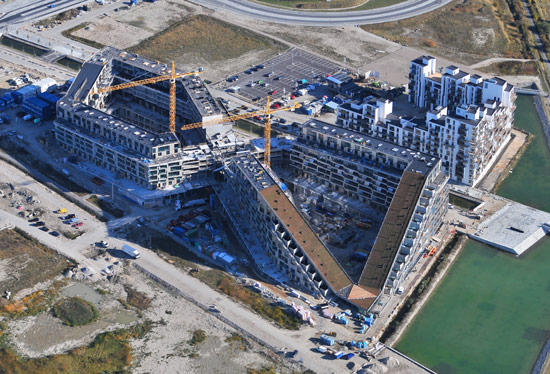
BIG architects

BIG architects


ادامه نوشته

The University of Helsinki City Campus Library / Anttinen Oiva arkkitehdit

The University of Helsinki City Campus Library / Anttinen Oiva arkkitehdit

p11
 

p14

 
ادامه نوشته

Little big planet

Little big planet


ادامه نوشته

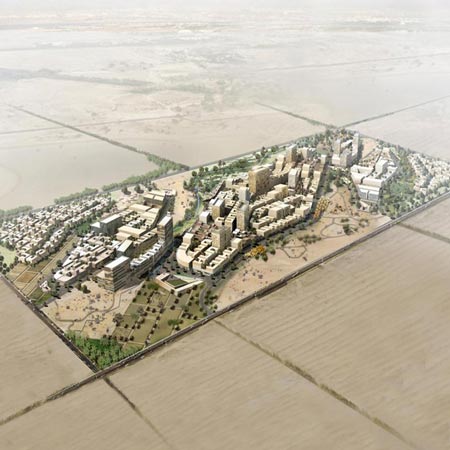
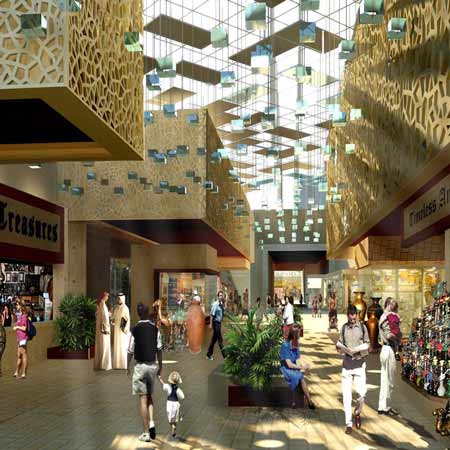
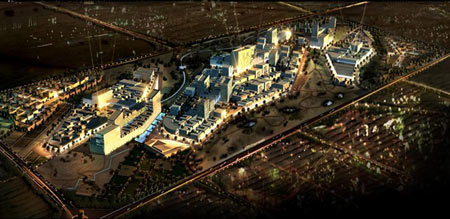
Masdar City Centre by LAVA

 
ادامه نوشته

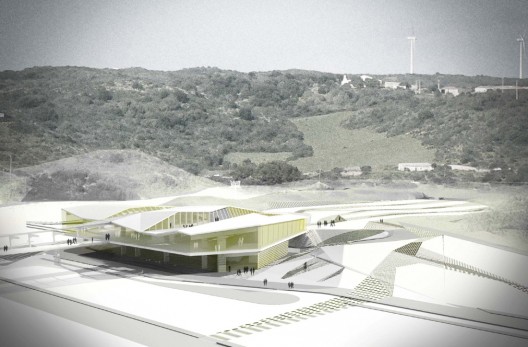
Ferry Terminal / F451 Arquitectura

Ferry Terminal / F451 Arquitectura

portada copy


ادامه نوشته

Urban Resort San Petersburgo / WMA

Urban Resort San Petersburgo / WMA

ادامه نوشته

تعریف معماری از نگاه معماران نامی

تعریف معماری از نگاه معماران نامی

       lecorbusier.jpg   


ادامه نوشته

Dance Palace by UNStudio

Dance Palace by UNStudio

dance-palace-by-unstudio-10.jpg

Dutch architects UNStudio have won a competition to design a dance theatre in  St. Petersburg, Russia.

dance-palace-by-unstudio-1.jpg

Clad in triangular panels of varying opacity, the building will be situated on a new square in the historic centre of the city.

dance-palace-by-unstudio-2.jpg

The two horseshoe-shaped auditoriums will have a combined capacity of 1,300.

dance-palace-by-unstudio-3.jpg

“An essential requirement when we were designing the auditorium was to make it possible to see the dancer’s feet from every seat in the hall at all times, no matter where the performer was positioned on the stage,” explains Ben van Berkel of UNStudio.

dance-palace-by-unstudio-6.jpg

Here’s some more information from UNStudio:
Dance Palace, St. Petersburg, Russia, 2009 - UNStudio/ Ben van Berkel’s design selected for Dance Palace in the historic centre of St. Peterburg
UNStudio’s design has been selected in the competition for a 21,000 square meter dance theatre in the historic centre of St. Petersburg. The new complex houses The Eifman Ballet of St. Petersburg, headed by the prolific choreographer Boris Eifman. From the four projects presented (Jean Nouvel (FR), UNStudio (NL), Snøhetta (NO), ZAO (RU)), UNStudio’s design was yesterday unanimously chosen by the jury for realisation.
The Dance Palace forms an integrated part of the European Embankment city quarter masterplan for a new urban square in the historic centre of St. Petersburg.
According to Ben van Berkel, “The urban context of the building is essential to the design. The Dance Palace is positioned on the square in such a way as to allow for unrestricted visibility towards the nearby Prince Vladimir and Peter and Paul cathedrals, thereby framing some of the most exceptional buildings in St. Petersburg. The sculptural qualities of the Dance Palace reflect those of the surrounding buildings in the masterplan, providing a connection to its surroundings yet still retaining saliency. A central main entrance is incorporated into the façade design in order to fully integrate the building into this lively public square.”

dance-palace-by-unstudio-4.jpg

UNStudio’s design for the Dance Palace presents an open and inviting theatre building with provision for 1300 guests (large auditorium 1000, small auditorium 300). Programmatic considerations focus on the spacious circulation of the public foyer and the transparent relationship to the surrounding public square and the city. Integration with the existing neighbouring buildings is achieved by both the scale of the building - which in elevation follows and respects St. Petersburg’s typical 28m roofline – and the transformative transparency which is introduced by a facade system of triangular cladding panels. The variation between opaque and perforated panels creates a controlled openness, depending on programme, views and orientation.
Ben van Berkel says of the foyer design, “The vertical foyer provides a high level of transparency from inside to outside, whilst also presenting a kind of stage for visitors to the theatre; a place to see and be seen. The open arrangement and balcony structure in the foyer provides plateaus for its own choreography of both intimacy and exposure.”

dance-palace-by-unstudio-7.jpg

The stage
Essential to UNStudio’s design for the main auditorium in the new dance theatre are both the acoustic considerations and the proximity of the audience to the stage. For this reason the horseshoe form was chosen. This form is considered to be one of the most successful forms acoustically in ballet and musical theatre for both performer and audience, whilst the proximity it affords to the stage ensures an intimate and collective experience for the spectator.
dance-palace-by-unstudio-9.gif
Engineering: ARUP
Theatre consultant: theateradvies bv, Amsterdam

dance-palace-by-unstudio-11.jpg

Client: OOO “Peterburg City”
Location: St. Petersburg, Russia
Building surface: 21,000 m2
Building height: 28 m
Status: 1st prize competition entry

dance-palace-by-unstudio-12.jpg

Credits:
UNStudio
Ben van Berkel, Gerard Loozekoot with Christian Veddeler, Wouter de Jonge and Jan Schellhoff and Kyle Miller, Maud van Hees, Hans-Peter Nuenning, Arnd Willert, Nanang Santoso, Imola Berczi, Tade Godbersen, Patrik Noome

dance-palace-by-unstudio-13.jpg

Advisors:
Theatre consultant: theateradvies bv, Amsterdam Louis Janssen, Caroline Noteboom

dance-palace-by-unstudio-14.jpg

Engineering:
ARUP
Jaap Wiedenhoff (Arup director), Soren Svare (Arup Russia), Arjan Habraken (Structures) , Gerard Nouwens (MEP), Pascal Steenbakkers (Fire & coordinator) , Helen Butcher (Acoustics), Rudi Scheuerman (Facades), Sergei Nikigorov (Arup Russia), Sam Wise (Acoustics and Costing), Oleg Romashkin (Arup Russia), Stanislav Korulin (Arup Russia), Lyudmilla Jones (Fire), George Faller (Fire), Daan van Konijnenburg (MEP), Christa de Vaan (MEP)

dance-palace-by-unstudio-15.jpg


Click to join Green_Architects

Jersey City Waterfront Park Unveiled

Jersey City Waterfront Park Unveiled


 Jersey City waterfront park unveiled

The Jersey City Waterfront Parks Conservancy has unveiled a new park design that is to transform and connect two major parcels of parkland on the Hudson River. A joint effort by landscape architect Starr Whitehouse with nARCHITECTS, the proposed concept, dubbed “Connect the Parks” calls for the restoration of the rapidly eroding parcels and linking them with an “Infinity Bridge” that will allow for a continuous walkway to be created between Exchange Place and the Liberty Harbor area.

The plan also includes gardens, a slide mound, swings, water features and a dog run. To promote nature and our children’s interaction with the natural world, a floating aquatic vegetative island promoting aquatic life, a wet meadow and several points of access to the waters edge are also featured in the plan. In place of the corrugated steel bulkheading used to the north and south of the park, this conceptual master plan incorporates a cost effective, visually appealing and less obtrusive means of erosion control, via a natural protection system. Finally, two pavilions will provide family gathering areas, seating, a comfort station and a venue for events such as concerts or puppet shows.

The plan is the result of community input collected during earlier surveys and community meetings.


عمران معماری و شهرسازی

عمران, معماری و شهرسازی
برنامه ریزی استراتژیک, برنامه ریزی جامع, بافت های فرسوده غیر تاریخی, فرآیند برنامه ریزی استراتژیک

چکیده
عدم کارایی طرح های جامع و تفصیلی در دنیا موجب گشت تا برنامه ریزی شهری به استقبال رویکردهای دیگری از جمله برنامه ریزی سیستمی و مدیریت سازمانی برود. و برنامه ریزی استراتژیک که نشان از قابلیت های بسیار در جوابگویی به مشکلات برنامه ریزی شهری داشت به عرصه شهرسازی وارد شود.
فقدان بنیان های ساختاری زیرساخت ها و عدم تعریف استراتژی های مداخله در قالبی نظام یافته و هماهنگ از چالش ها و موانع اساسی برنامه بهسازی و نوسازی بافت های فرسوده محسوب می شود. راهبردهای بخشی و منفصل و راهکارهای روساختی و مقطعی, راهگشا و چاره ساز نبوده و باید بنیان های ساختاری در فرآیند پیوسته و هماهنگ تعریف و نهادینه شود به ترتیبی که هر یک بتوانند نقش مکمل یکدیگر را ایفا کنند. در نتیجه در این متن به بیان فرآیند هشت مرحله ای برنامه ریزی و مدیریت استراتژیک بافت های فرسوده غیرتاریخی در داخل شهرهایمان می باشد.

دانلود با حجم 198 کیلوبایت

معنای لغت معماری

معنای لغت معماری

معماری در لغت به معنای علم بنائی و آباد سازی آمده و معمار به معنای بسیار عمارت کننده و کسی است که در آبادانی جهان می کوشد. قدمت معماری به عنوان یک فن برای ایجاد سرپناه، به قدمت تاریخ بشر می رسد اما معماری امروزه در جهان ترکیبی از صنعت ساختمان سازی به علاوه هنر، فلسفه، جامعه شناسی، روان شناسی اجتماعی، اخلاقی، اقتصاد، جغرافیای طبیعی و انسانی، برنامه ریزی و توسعه اقتصادی و علوم طبیعی نظیر زیست شناسی و محیط زیست است. از این رو می توان گفت که رشته مهندسی معماری به دلیل این خصلت و به ویژه با توجه به ماهیت هنری و نقش مهمی که خلاقیت هنری در آن ایفا می کند اساساً با سایر رشته های مهندسی متفاوت استدروسی مانند ترکیب ها، طراحی ها، دروس نظری معماری دروس خاصی هستند که عموماً به شیوه آتلیه ای یا کنفرانس های دانشجویی برگزار می شود و از نظم و قاعده مشخصی پیروی نمی کنند. مفاهیمی که در این دروس وجود دارد برپایه طرز تفکری کاملاً متفاوت با دروس دبیرستان بوده بدین رو موفقیت فرد در دوره دبیرستان و کنکور تضمینی برای اقبال فرد در این دروس به شمار نمی رود. داشتن استعداد هنری و به کار گرفتن عنصر خلاقیت در روند طراحی لازم موفقیت است. و نکته دیگر آنکه از دست دادن آینده شغلی برای فرد اهل ذوق رابطه ای با عدمتوفیق در تحصیلات آکادمیک معماری ندارد چه بسا همین فرد بتواند یک مهندسی ناظر خوب، مدیر پروژه، برنامه ریز شهری بشود، رشته معماری برحسب کمبود ظرفیت قبولی اش بسیار مشکل است.